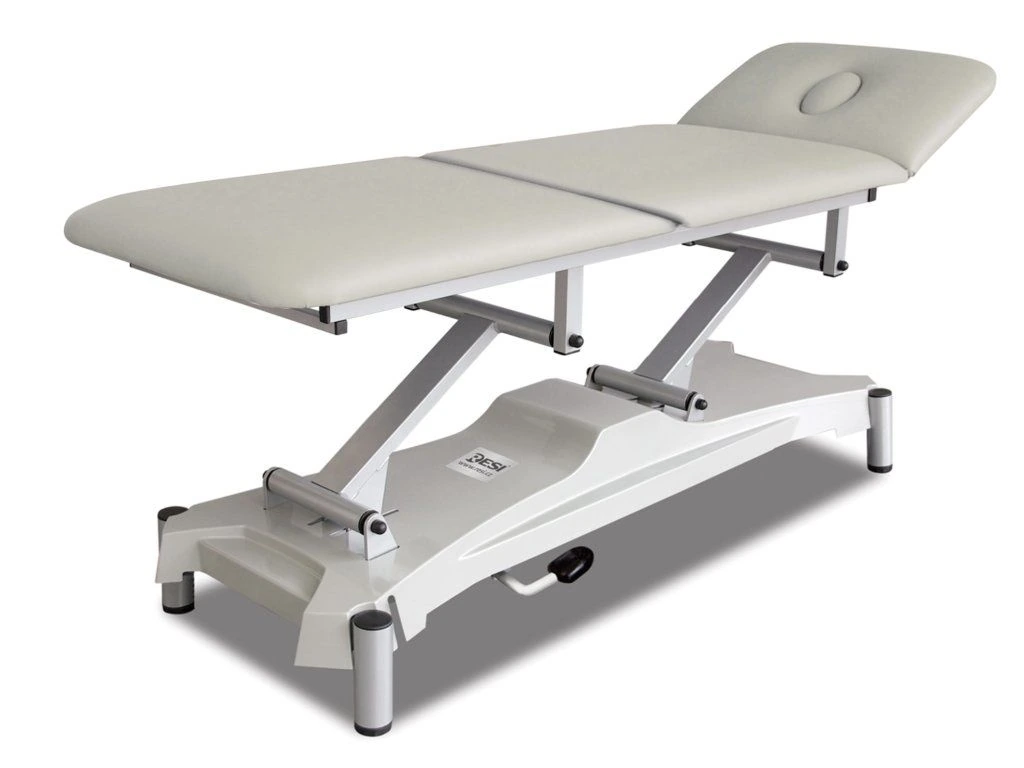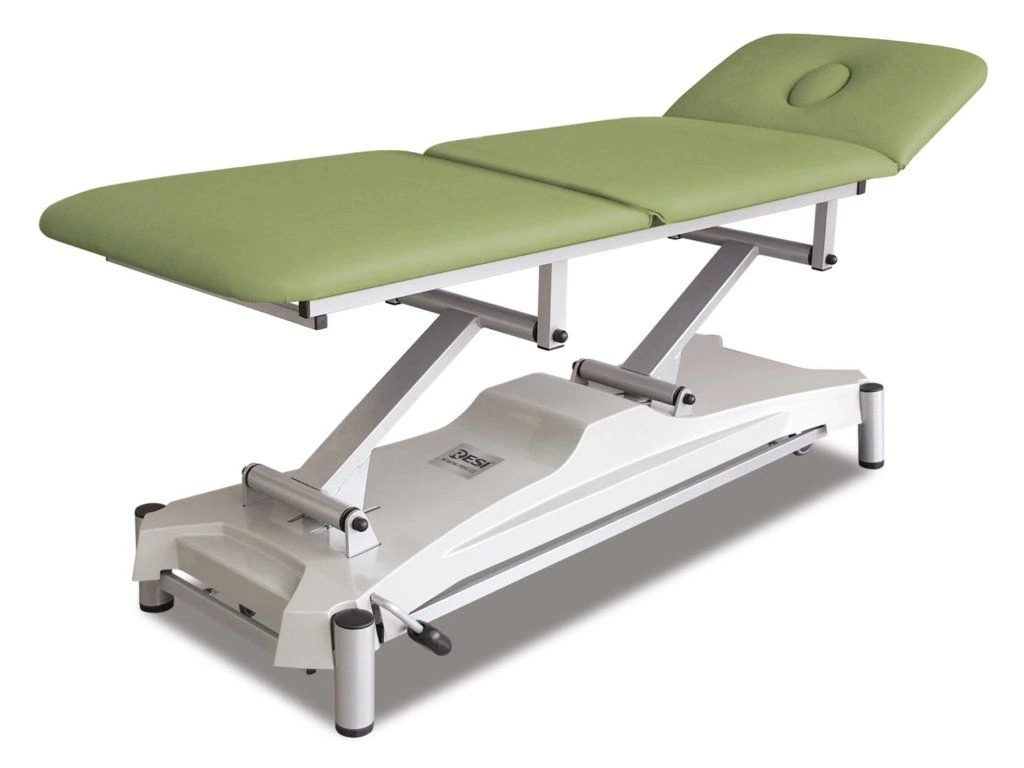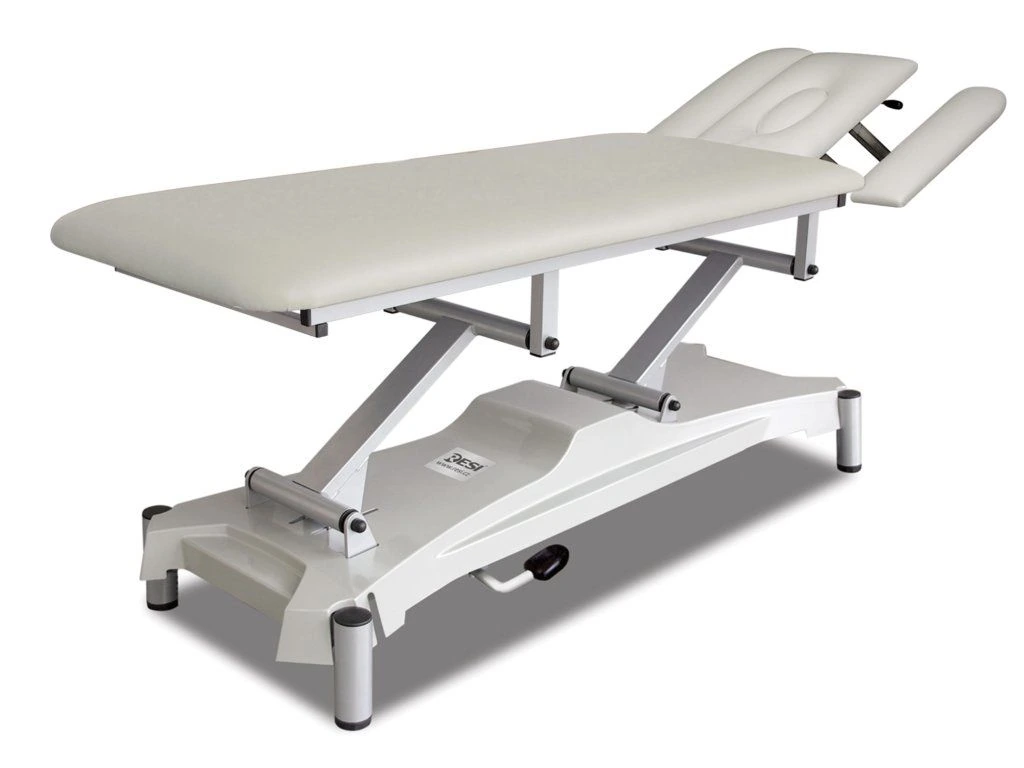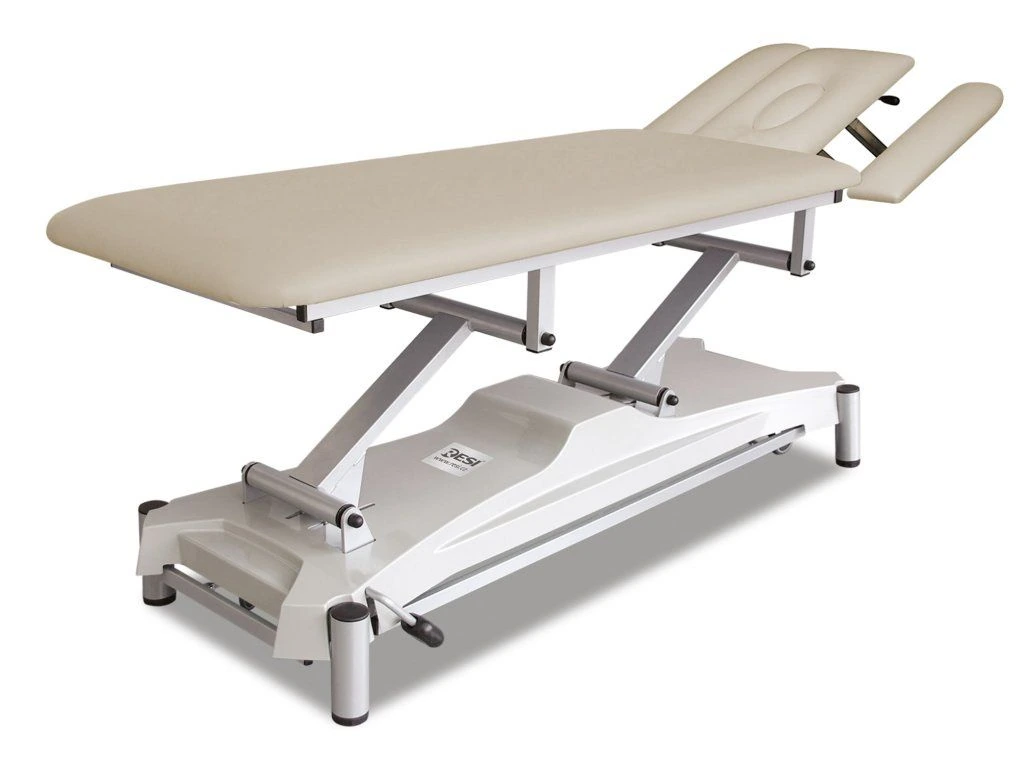
Orthopaedic treatment tables
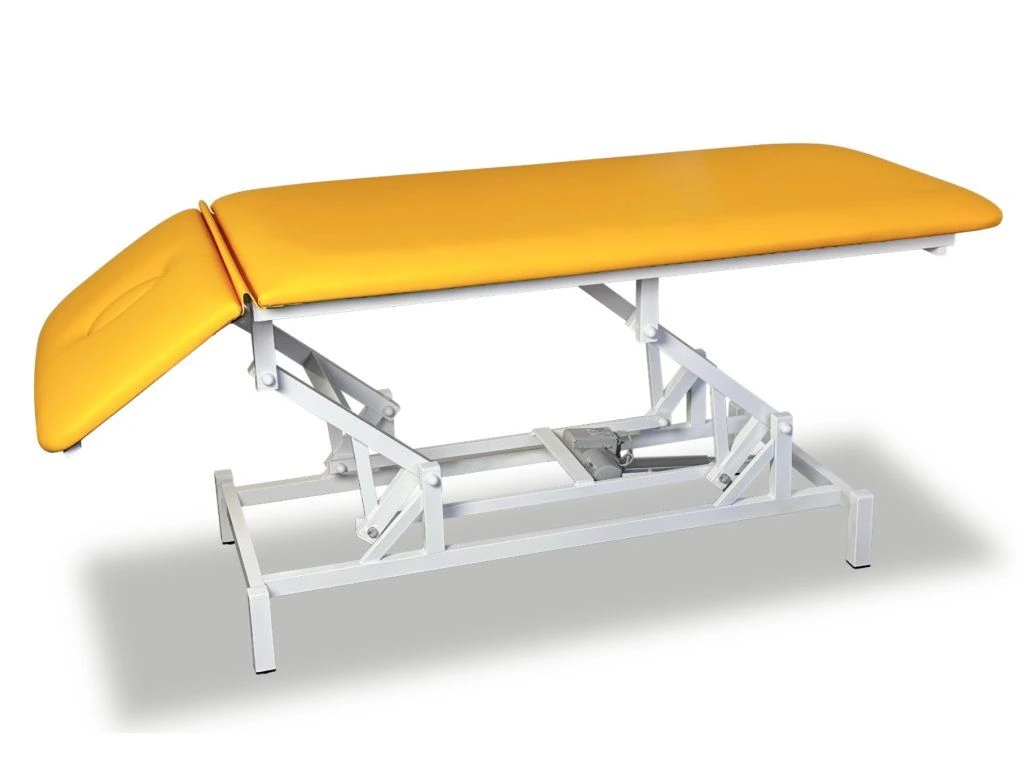
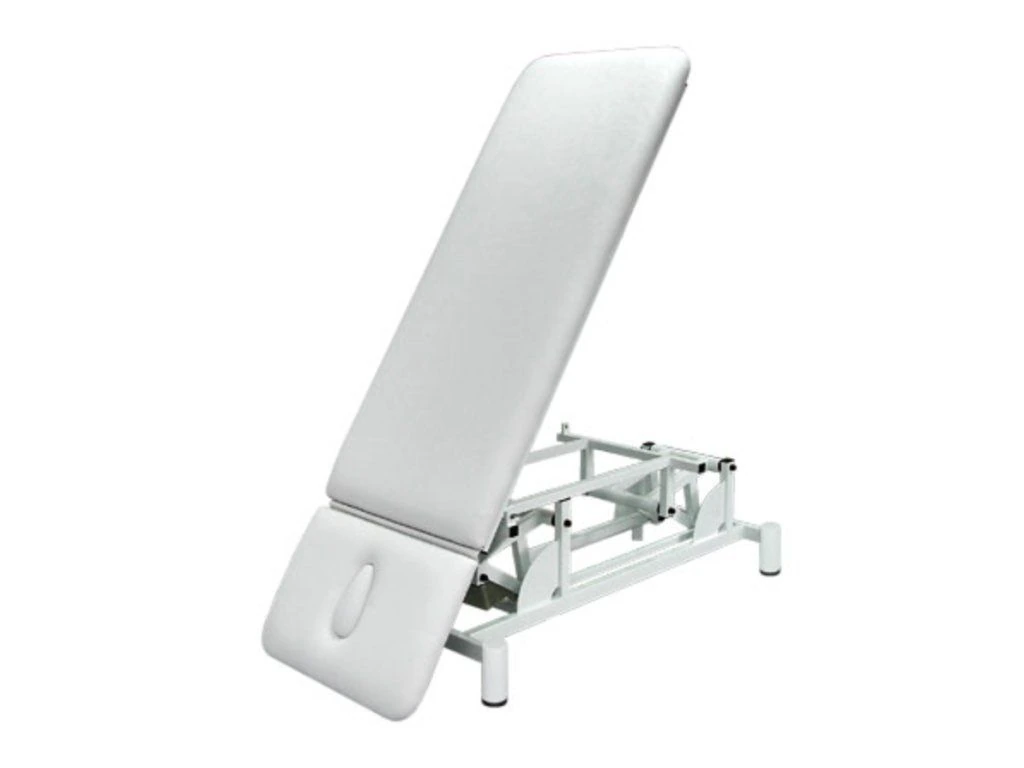
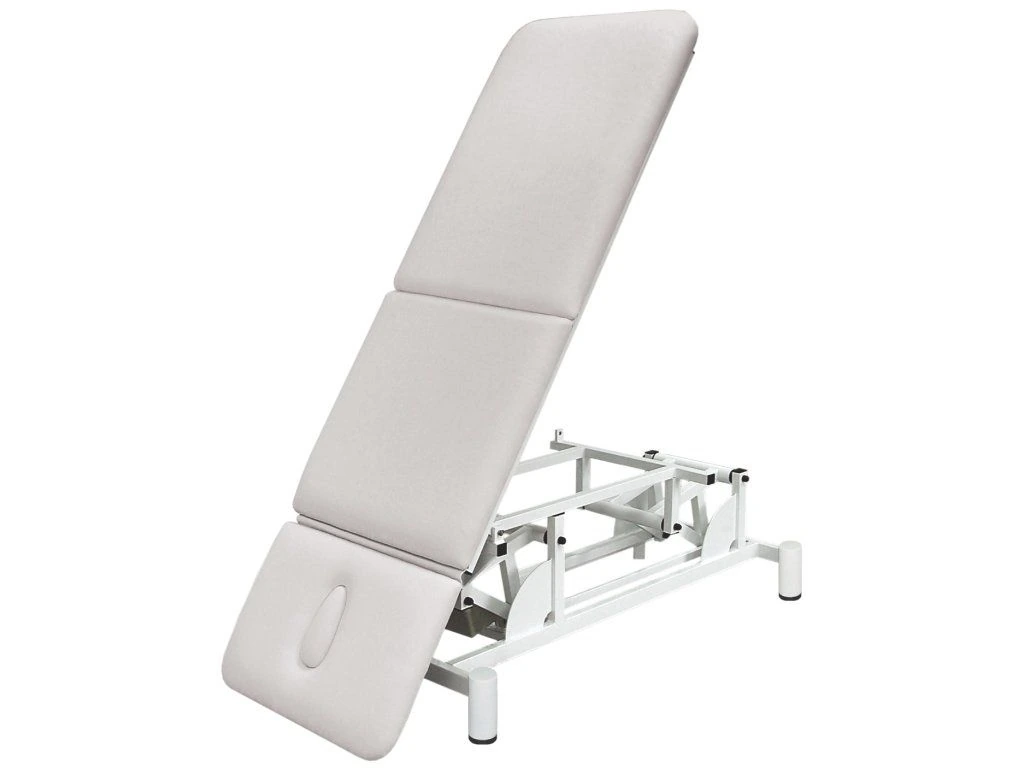
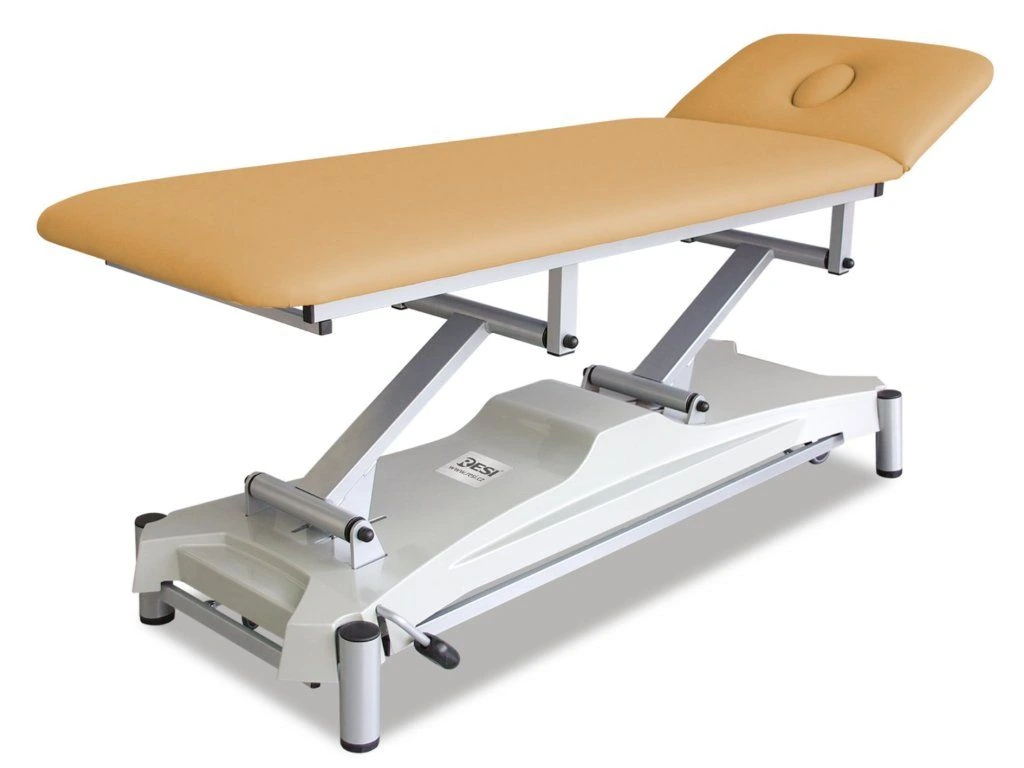
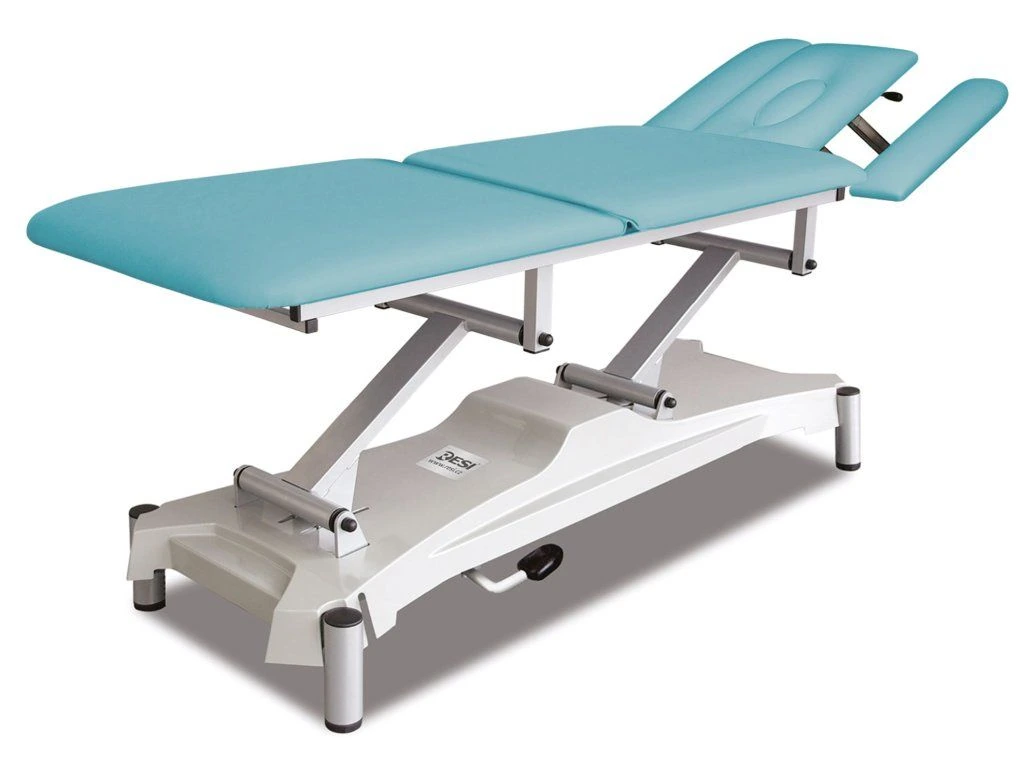
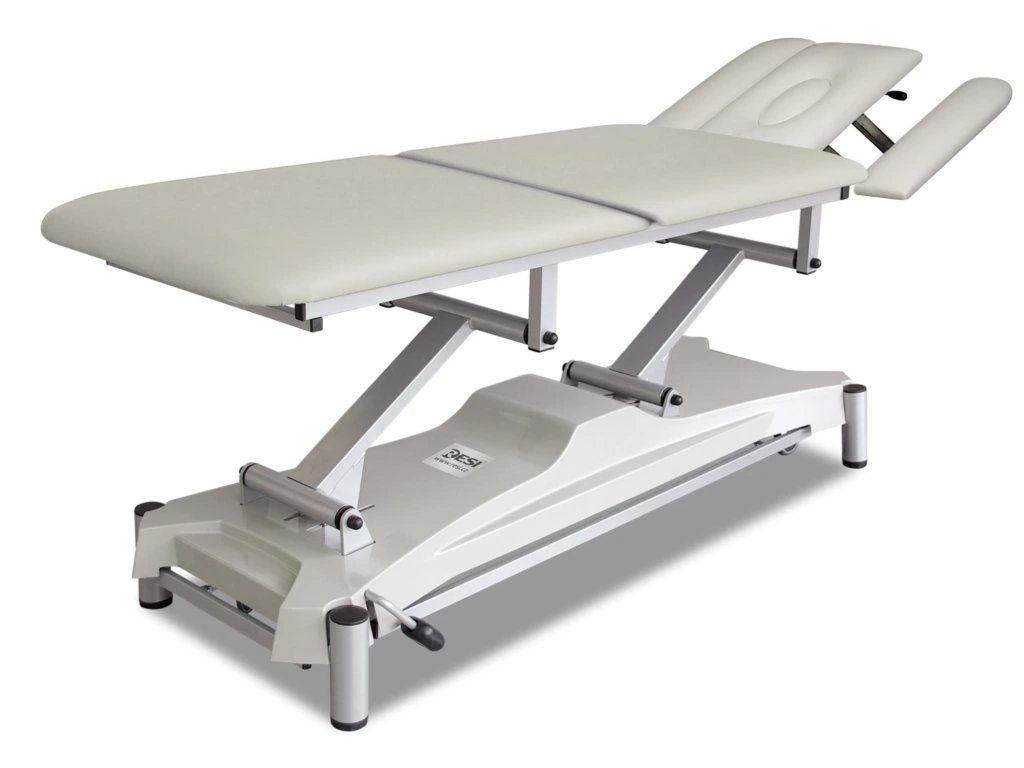
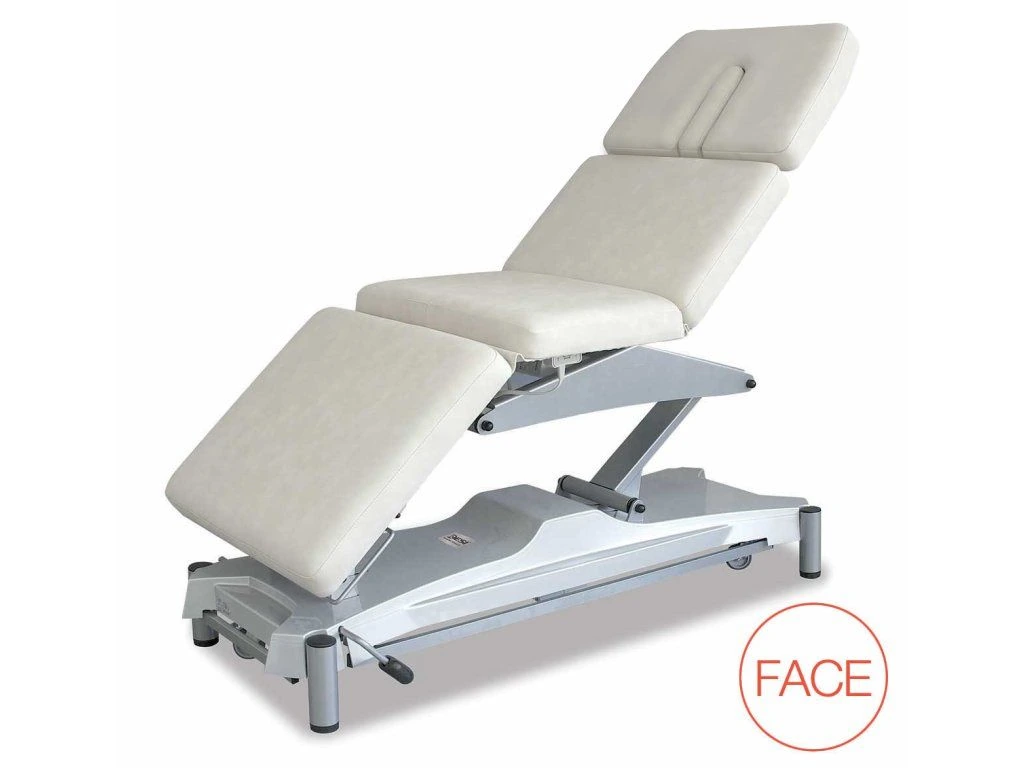
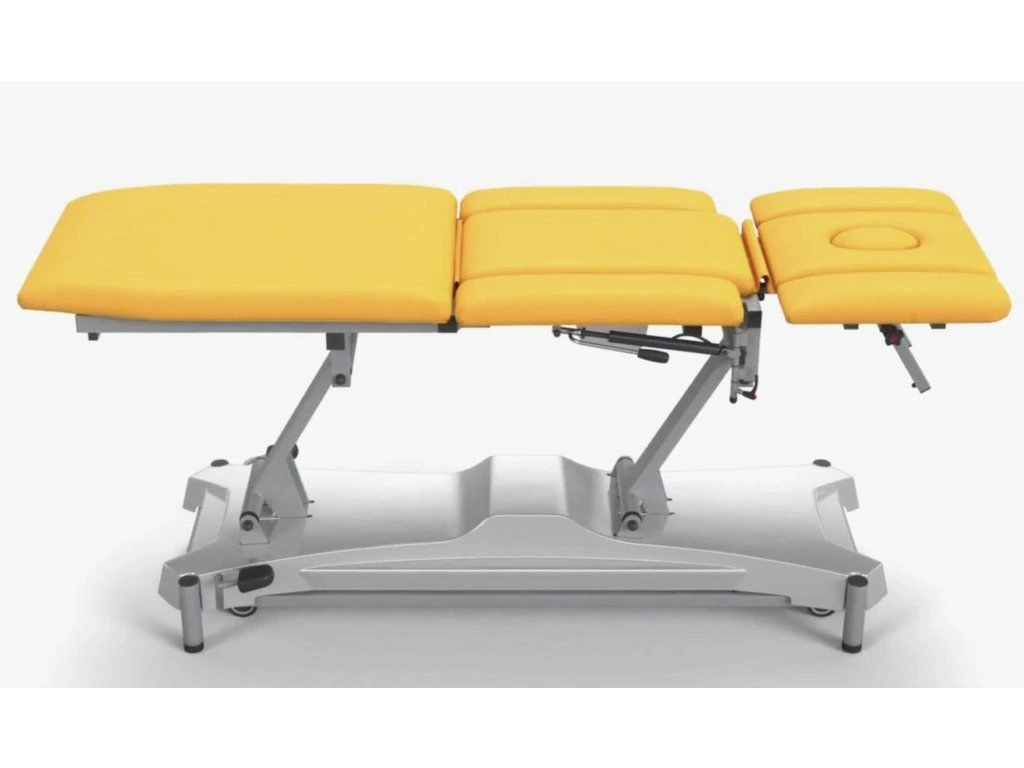
Orthopaedic tables allow individual sections of the body to be positioned precisely, ideal for orthopaedic examination and treatment.
Models compared
| Model | Drive | Height | Width | Price |
|---|---|---|---|---|
| Riedi Basic 2e | electric | 49–95 cm | 65–85 cm | from 1,237.60 € |
| Riedi Compact 2e | electric | 66–86 cm | 65–85 cm | from 2,130.10 € |
| Riedi Compact 3e | electric | 66–86 cm | 65 cm | from 2,249.10 € |
| Riedi Comfort 2e | electric | 53–93 cm | 65–85 cm | from 2,249.10 € |
| Riedi Comfort 3h | hydraulic | 53–93 cm | 65–85 cm | from 2,249.10 € |
| Riedi Comfort 3e | electric | 53–93 cm | 65–85 cm | from 2,368.10 € |
| Riedi Comfort 4h | hydraulic | 53–93 cm | 65–85 cm | from 2,368.10 € |
| Riedi Comfort 4e | electric | 53–93 cm | 65–85 cm | from 2,487.10 € |
| Riedi Comfort 5h | hydraulic | 53–93 cm | 65–85 cm | from 2,487.10 € |
| Riedi Comfort 5e | electric | 53–93 cm | 65–85 cm | from 2,606.10 € |
| Riedi Pro 4 Plus | electric | 53–93 cm | 65–85 cm | from 3,153.50 € |
| Riedi Pro 7 | electric | 53–93 cm | 65–85 cm | from 3,320.10 € |
Frequently asked questions
For orthopaedic examination and treatment, individually adjustable segments are important to position joints and spine in a targeted way. A stable, steady construction makes precise manual tests easier.
On orthopaedic tables, the backrest and leg section can usually be tilted independently of one another, either electrically via foot switch or hydraulically via pedal. This allows individual body sections to be positioned in a targeted way.
The load capacity ranges between 150 and 250 kg depending on the model. The exact capacity depends on the frame material and the number of motors and is listed in the product data.
Electric tables allow fast, continuous adjustment during treatment, while hydraulic tables are mechanically simpler and need no power connection. The choice depends on the treatment workflow and the room setup.